At Bubblegum Club, we’re always looking for ways to stretch, remix, and rethink the tools we use to create images — and to question the structures that define where creativity is “supposed” to happen. When we received the Samsung Galaxy A56, we were interested not only in testing its capabilities, but in experimenting with how its Awesome Intelligence features could open up new approaches to creating a fashion editorial.
Traditionally, studio portraiture relies on physical space — four walls, controlled lighting, equipment, time, a team. But what happens when the studio is no longer a place, but an idea? When it becomes decentralised, digitised, dematerialised? With the Galaxy A56, we wanted to approach the studio not as a location, but as a conceptual tool: something that could be performed, simulated, or summoned through the phone’s AI features.
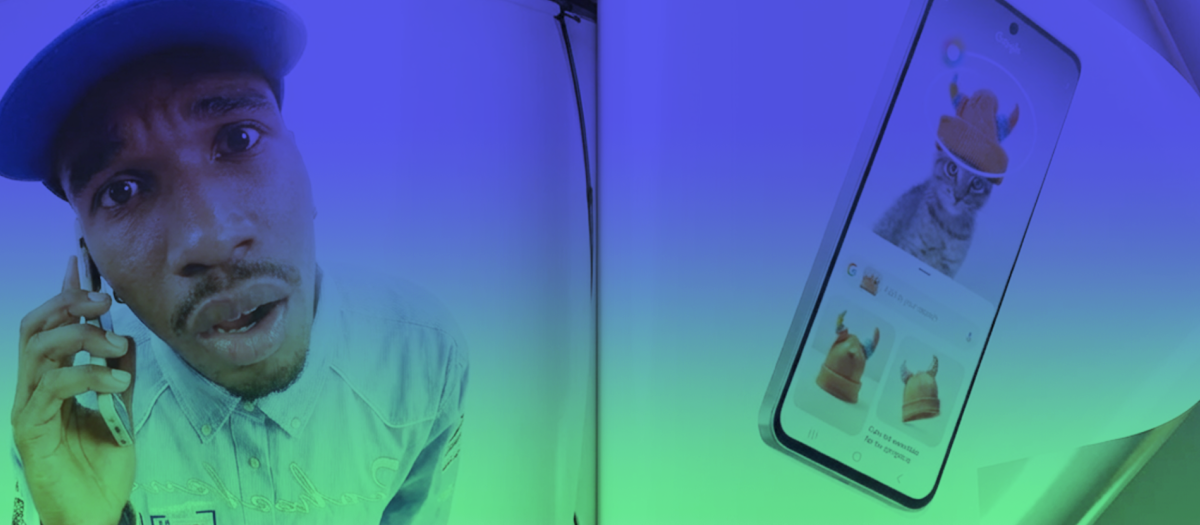
We spent time experimenting with the device to understand how its tools might shift our creative processes. The features that immediately stood out — Circle to Search, Object Eraser, and Best Face — weren’t just conveniences. They felt like small, powerful interventions in the way images are made: tools that allow creatives to work faster, more efficiently, and more affordably than traditional setups would allow.
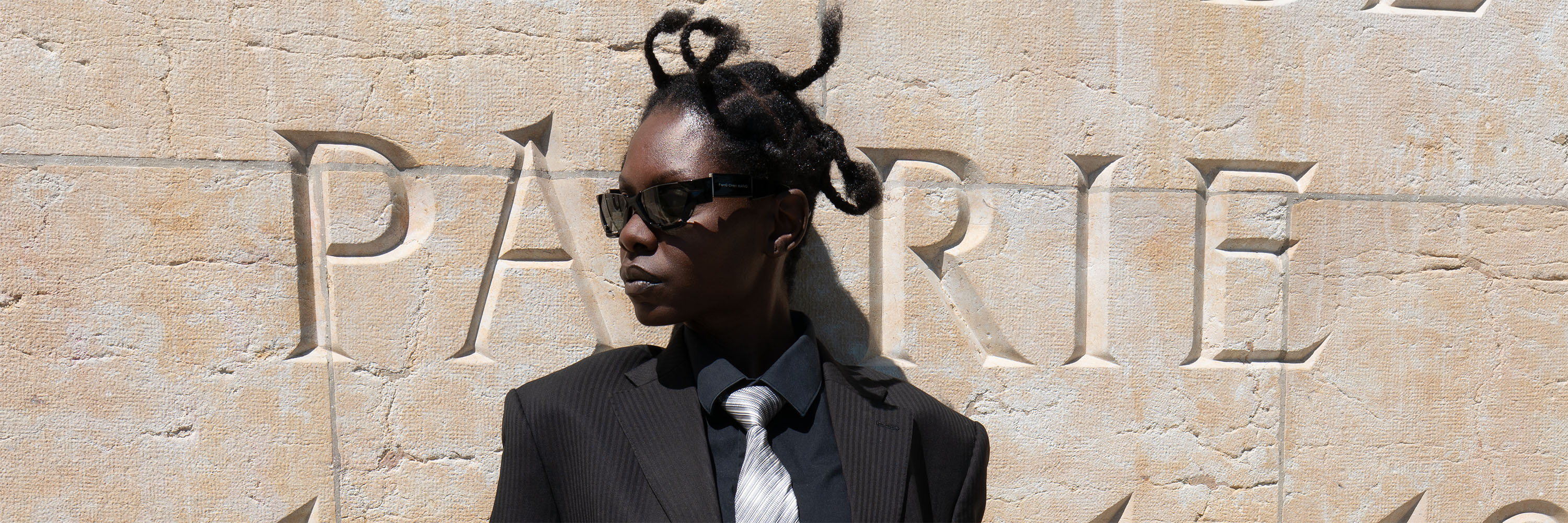
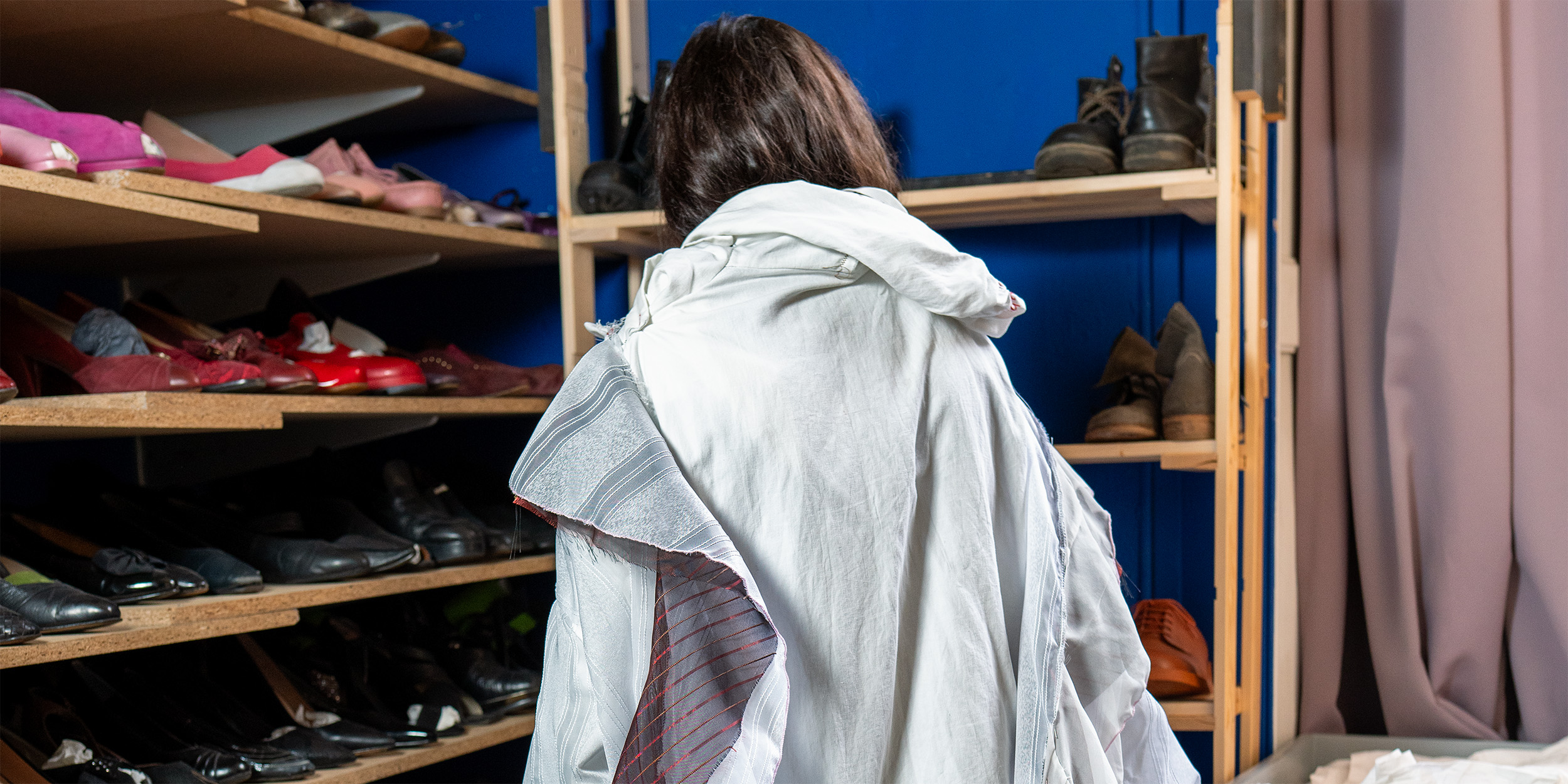
To explore this, we developed a simple but playful workflow: we cast a stylish model and sent them into Rosebank Mall to try on looks and take mirror selfies in-store — our “on-location” studio. We then used Object Eraser to remove backgrounds, products, and visual noise until all that remained was a clean, refined image that felt like a formal studio portrait. With Best Face, we could refine expression and select the most striking version of each look. And with Circle to Search, we were able to quickly source visual references and contextual cues directly from each photograph — powered by an awesome camera and an long-lasting battery that kept us going throughout the shoot.
In doing so, we created an editorial spread using only the Galaxy A56 — without a photographer, without lighting equipment, without a traditional studio, and without any external editing software. The phone became the site, the tool, and the collaborator.
For us, this project wasn’t just about showcasing features. It was about exploring what these features make possible: new workflows and new ways of thinking about image-making. We are constantly experimenting with technologies that refine our processes and reshape how we see our work, our tools, and the world around us. The Galaxy A56 opened up a space for that experimentation — a chance to imagine the studio differently, to let it float free from bricks and mortar, and to create something polished, intentional, and editorial directly from a handheld device.
This is the kind of future-forward play that excites us: where creativity is mobile, adaptive, and powered by the intelligence in our pockets.
Paid partnership with Samsung SA