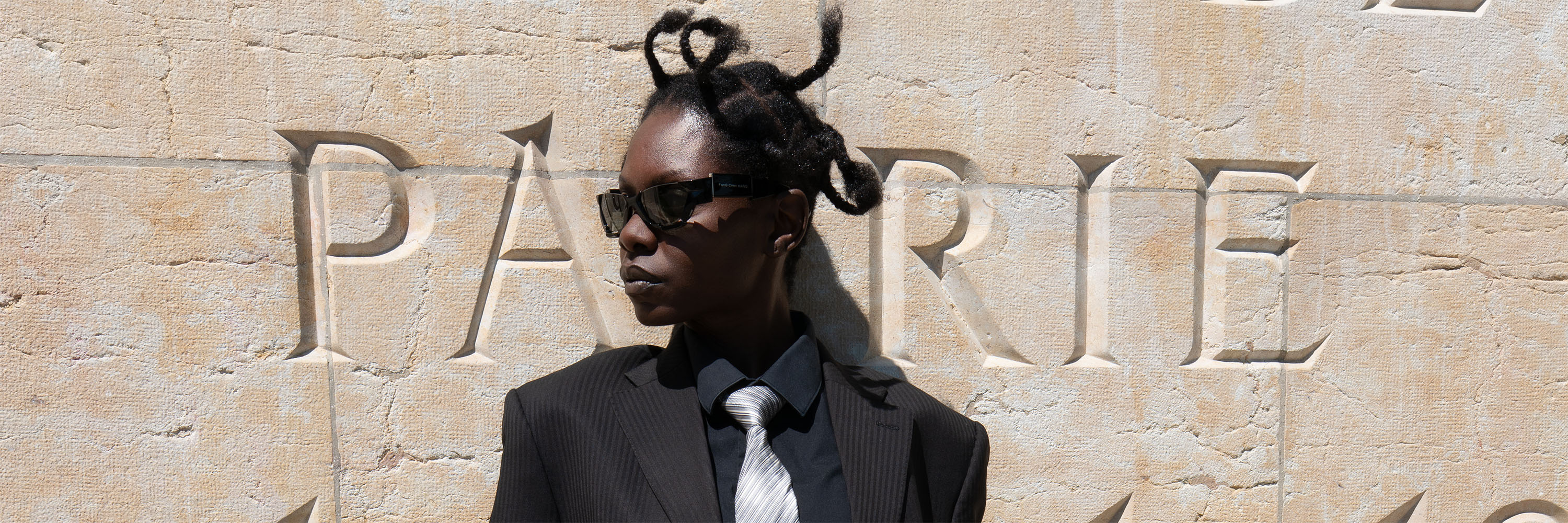
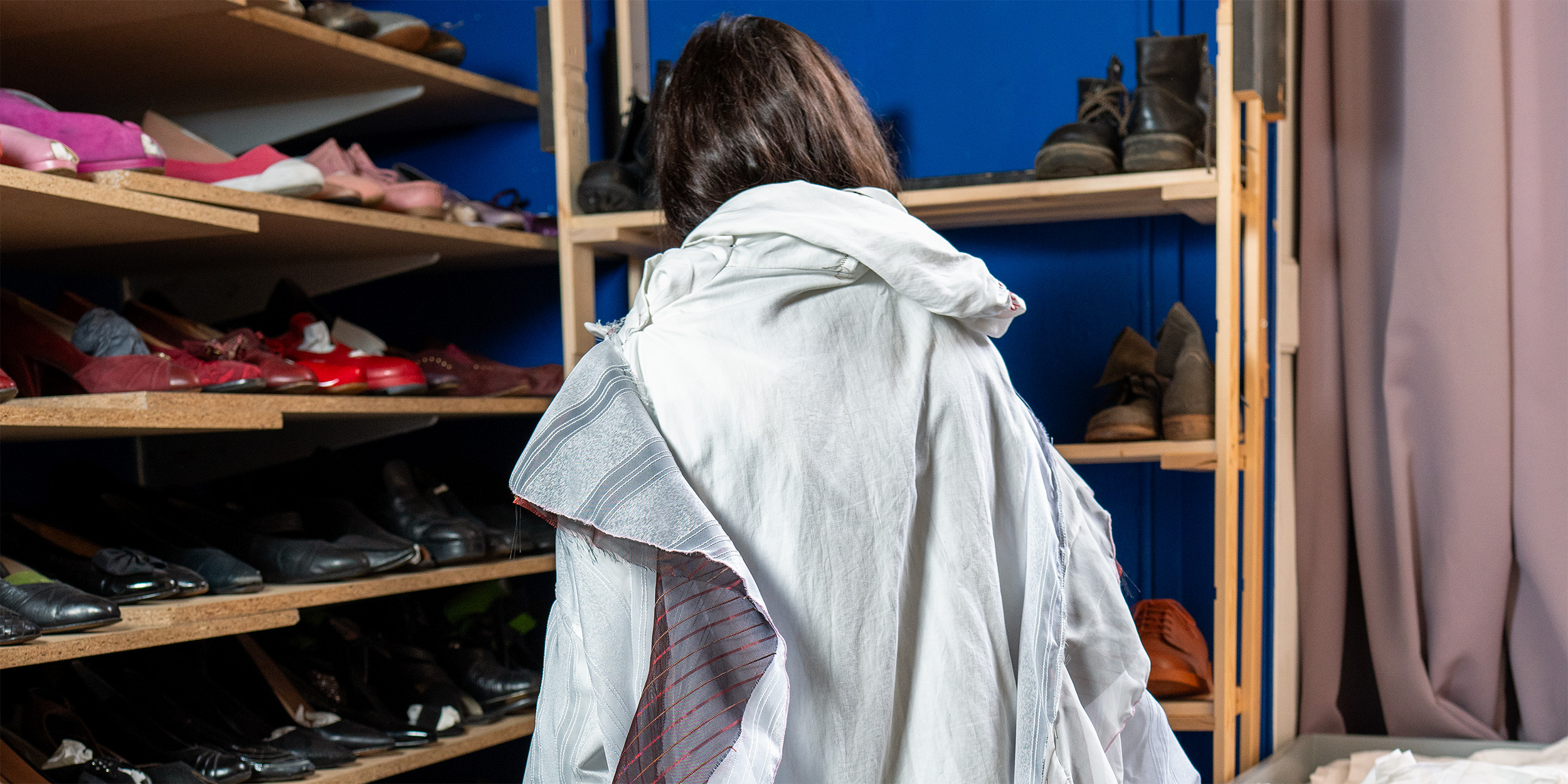
Ernestyna Orlowska (b. 1987) is a visual artist, choreographer and performer based in Bern. Her practice explores the human body as a site of conflict, negotiation and transformation. Through performances and sculptures, she constructs an idiosyncratic world inhabited by enigmatic, often monstrous beings that unsettle established norms and challenge the ways we observe, classify and make sense of the world. Working with raw, imperfect and improvised aesthetics, she frequently transforms found objects, secondhand garments and electronic waste, revealing how materials carry cultural norms and narratives about the body. More recently, her work has turned towards the conditio humana neoliberalis, examining how neoliberalism shapes our experience of identity, endurance and agency.
While her work unfolds at the intersection of visual art, choreography and performance, we discussed with Ernestyna the particular challenges of documenting and preserving time-based practices. The conversation moved between performance documentation as an archival record and as a work in its own right, the storage of costumes and props, and the scores and instructions through which performances might be recreated. It also touched on the question of what to keep and what to let go of, and on the inevitable gaps between what is performed, what is remembered and what eventually disappears. After all, not everything can be preserved, and perhaps not everything needs to be. We also wondered whether forgetting something might, in itself, be a way of letting it go—or whether some things are simply forgotten because we thought they were not worth remembering.