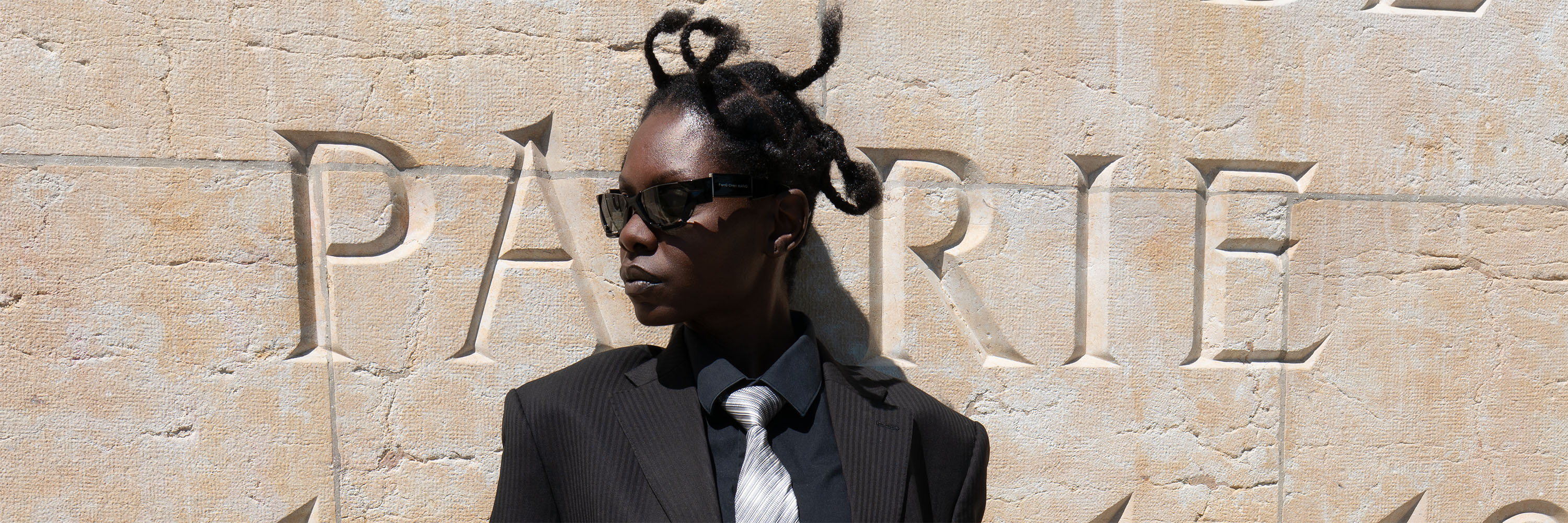
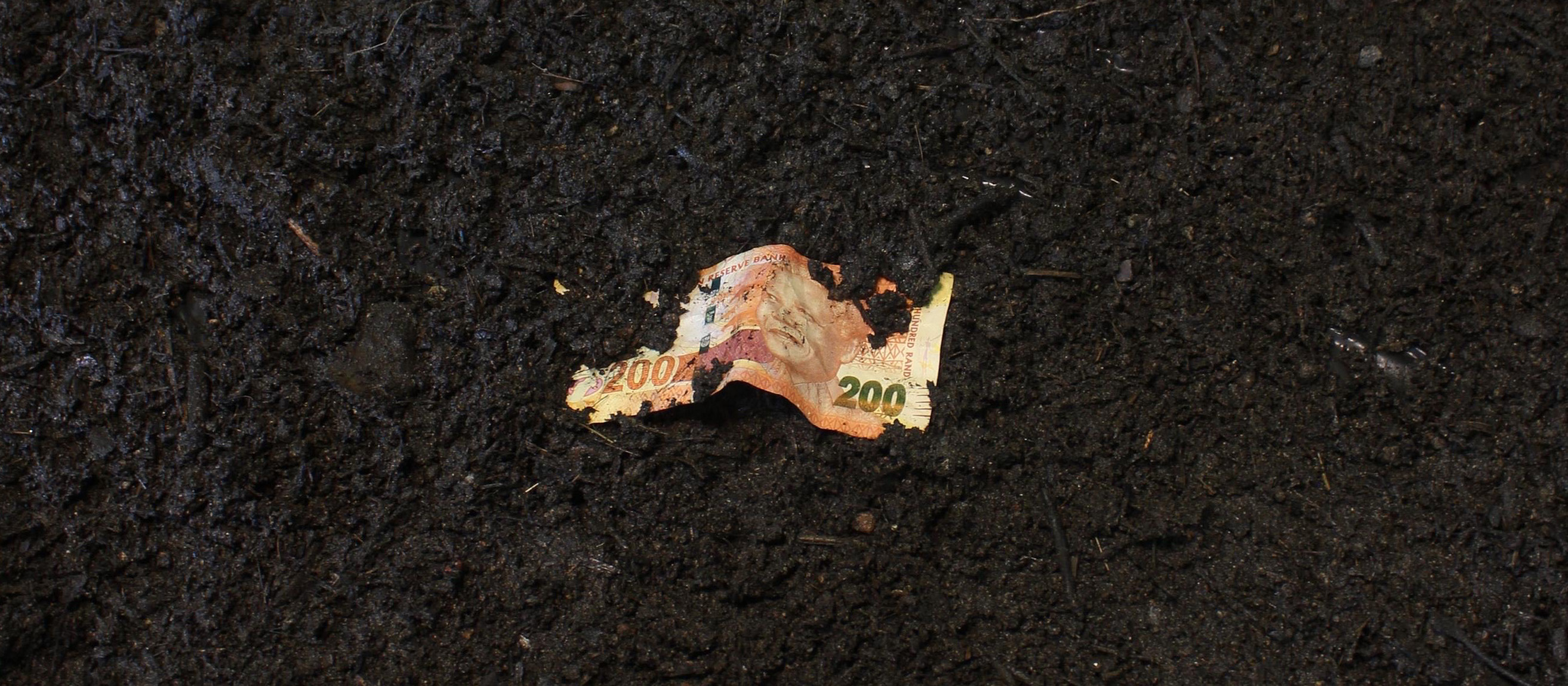
The contemporary fashion industry operates through conventions shaped by profit, visibility and scale. While interdisciplinary practices certainly exist within it, the dominant model tends to reward clarity, recognisable trajectories and measurable success often defined through visibility, scale, proximity to the establishment. What it has less space for are practices that move between disciplines or operate according to different priorities.
It is in this space, not outside the industry, but alongside it that Josiane Martinho works.
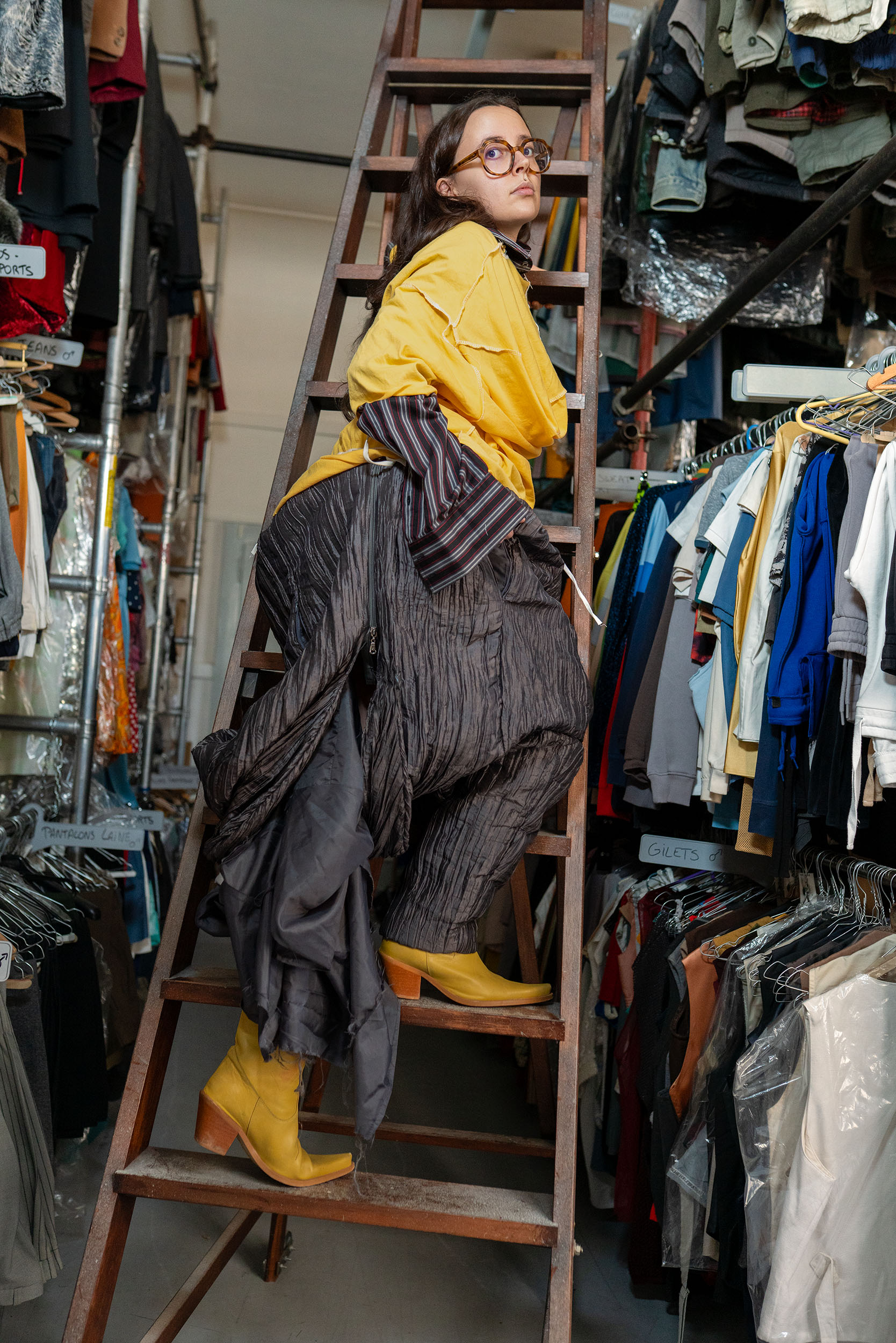
Based in Geneva, Martinho describes herself as a stylist, fashion and costume designer. She works across these disciplines allowing each to inform the other. Rather than building a conventional fashion brand, she has developed a methodology that runs parallel to the industry, remaining in dialogue with it, but not fully structured by its pace or incentives.
Her position emerged from early experiences within the fashion system, where long hours, financial precarity and the normalisation of overwork revealed how success is often tied to sacrifice. For Martinho, fully adapting to that structure would have meant compromising both personal wellbeing and creative autonomy. The question became not whether to leave fashion, but how to participate differently. She chose to work across disciplines as a way of navigating the industry while maintaining creative and personal autonomy.
Her collaborations with dancers, artists and performers develop through exchange, responding to conceptual needs while allowing garments to evolve through fittings and experimentation. Working with couture methodologies, she tailors pieces to the body and explores technical processes, including the use of vintage knitting machines. In this context, performance becomes a parallel runway for couture, where the priority is concept and craftsmanship.
Her styling follows a similar principle. Early refusals from PR agencies led her to source garments outside conventional fashion channels, from thrift stores, costume archives and small designers. What began as exclusion became methodology. Clothing is approached as material with history and potential rather than as a finished commodity. Image-making becomes a space for experimentation and communication rather than brand amplification.

In 2025, Martinho was awarded the Swiss Design Award in Fashion. The recognition is significant because her practice does not follow the dominant model of fashion entrepreneurship. She does not operate a conventional brand, yet her work remains deeply engaged with clothing as language and system. The award suggests that alternative modes of production can exist within fashion’s broader field without fully subscribing to its dominant logic.
Her role as Fashion Director of l’idiot utile extends this position. The publication, described as “super slow,” examines clothing, fashion imagery and the labour structures that underpin them. Produced over extended timelines and shaped through collaboration rather than industry access, it prioritises reflection over immediacy. Its slowness is deliberate. It creates space to question fashion’s codes rather than reproduce them.
Taken together, these practices demonstrate that working parallel to the fashion industry is not only viable, but generative. They make visible how new forms of production, collaboration and authorship can emerge. In a moment when fashion’s labour conditions and ecological impact are under increasing scrutiny, such parallel approaches do more than critique the industry, they expand what it might become.


Credits:
Photography: Jamal Nxedlana
Styling: Josiane Martinho
Photography Assistant: Camille Kaiser
Location: Théâtre Le Poche