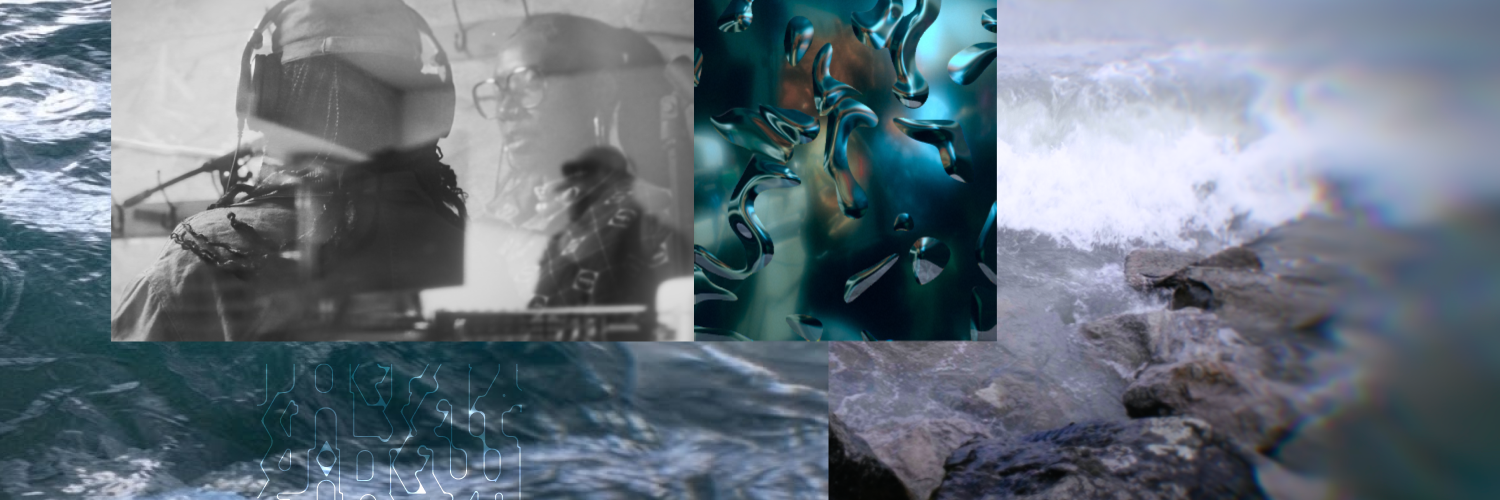
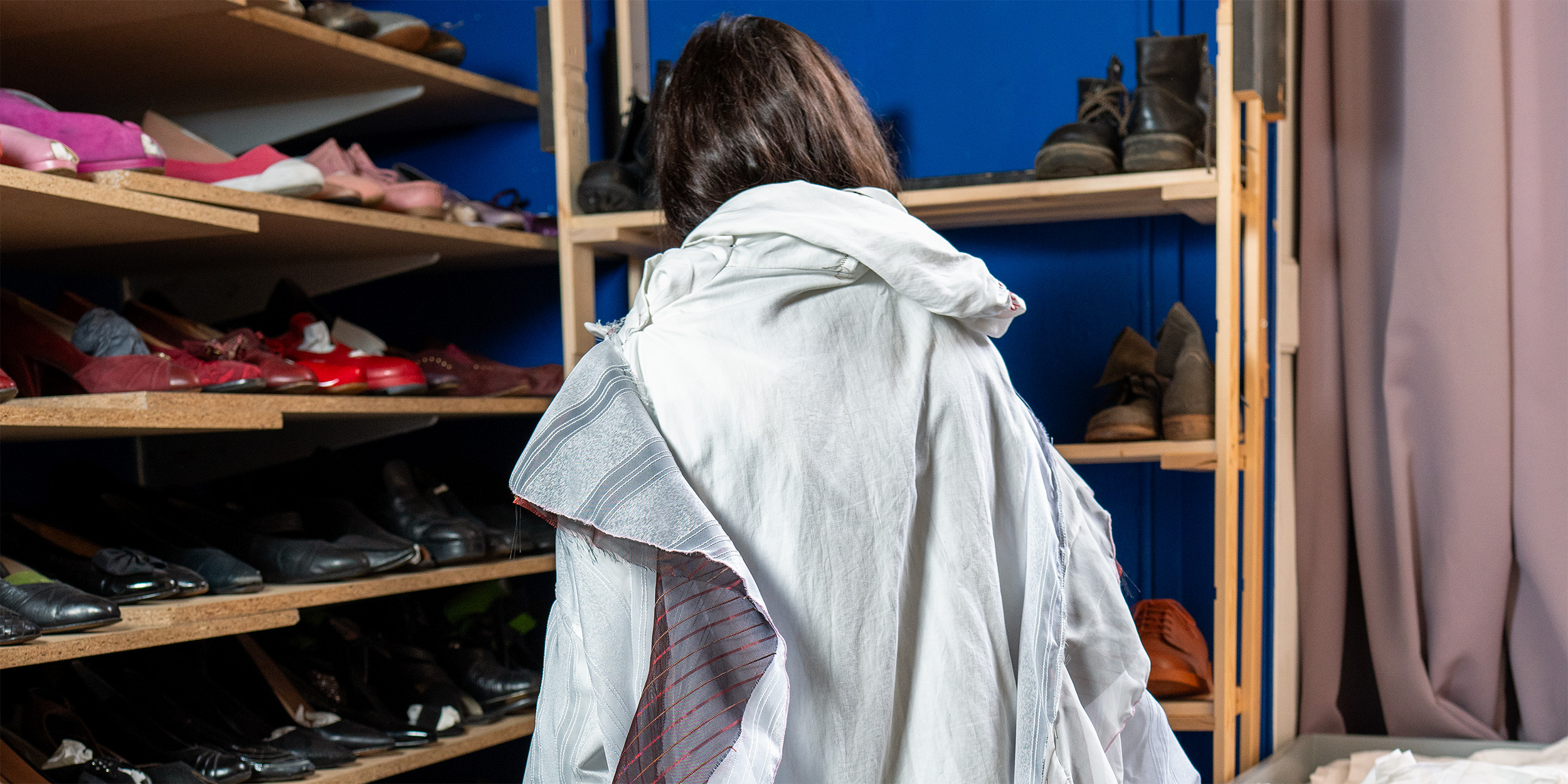
What first brought me to La Becque was the desire to create a performance and compose a score called Lilt Shimmer, a piece “that traces sound to its origins, much like life itself emerging from water.” Through the story of a fish “navigating currents of transformation and survival,” I wanted to examine how voice, like water, carries memory, adapts to its surroundings, and flows through time. At least, that is what I thought I had come to do. Over three months spent exploring Switzerland’s sonic landscape, the project began to shift. I became interested in the places, practices, and artists that bring the Black Swiss cultural scene to life, and how they relate to our shared sonic diasporic heritage.
That shift began not only beside the lake, but also in the residency’s library, a place so restful that I sometimes found myself falling asleep there. It was there that I came across Satch Hoyt’s Afro-sonic Mapping: Tracing Aural Histories via Sonic Transmigrations—though, looking back, it feels more as if the book found me. It became an anchor for my research. I could hardly believe this was my first encounter with his work, yet discovering it in this way made it all the more precious.
A London-born, Berlin-based artist of British and African-Jamaican ancestry, Hoyt works across sculpture, sound, painting, and drawing. His concept of the “Afro Sonic Signifier” describes a network of sound and memory that, he argues, has helped sustain a sense of connection across the transnational African diaspora. This gave me another way to understand the encounters and connections I was beginning to have in Switzerland.
Reading his book, I began to think about how places that create feelings of displacement for Black artists can also become cultural home bases: places to return to, make work, and find one another. I started to recognise how a sense of belonging could emerge through these encounters
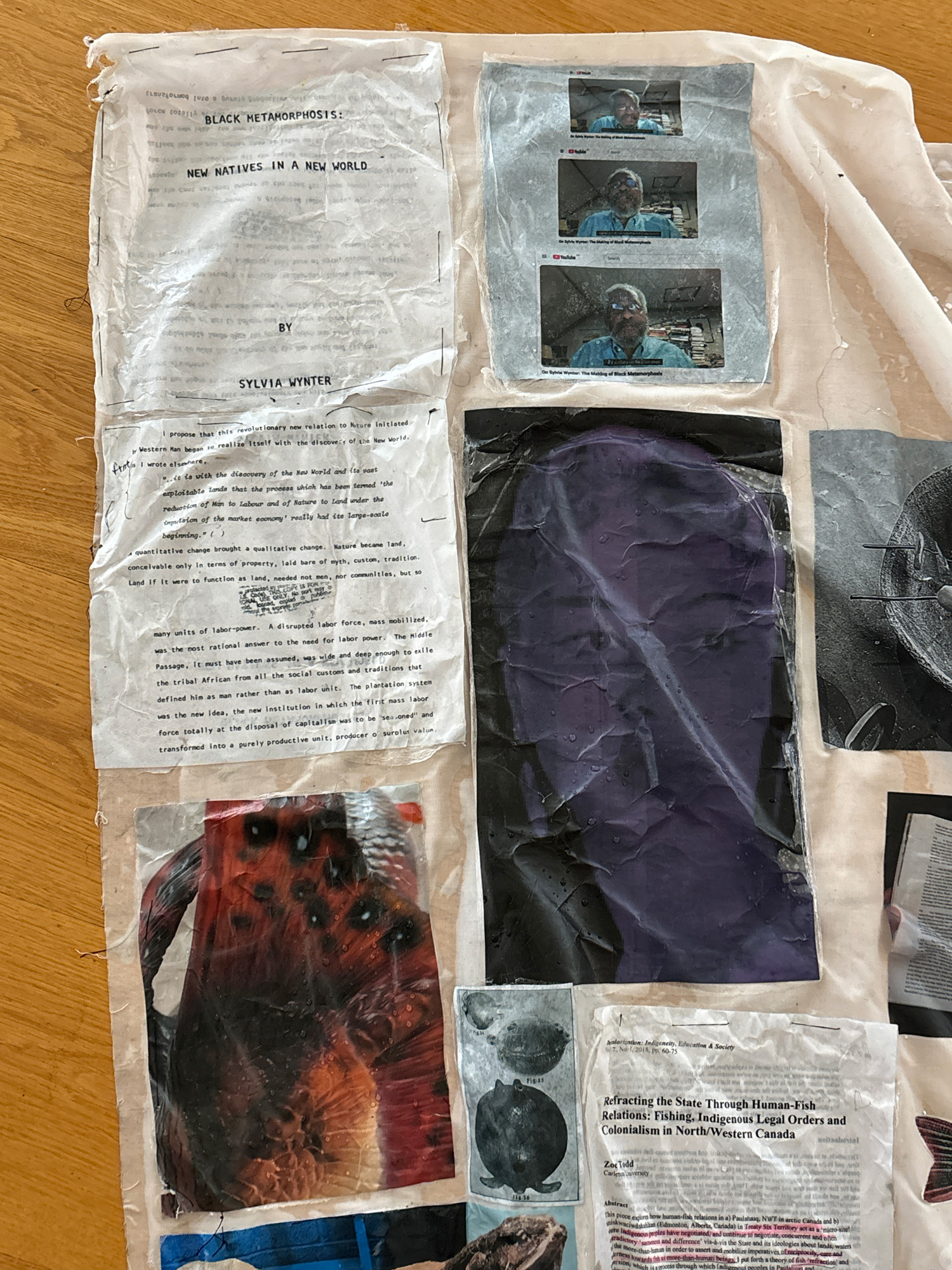
One such encounter took place on the night I met Tanya Moyo, curator, sonic practitioner, and founder and visionary director of Kongossa Studios. I was performing at L’Arsenict as part of Luna Mahoux’s carte blanche, “The Other Queen of Memphis,” during an evening of poetry and performance. What I remember from that evening is a deep appreciation for the audience. Being together, laughing, and finally being able to talk to another person about my reverence for Sylvia Wynter reminded me that we can create our own places of belonging, even somewhere unfamiliar.
That sense of connection helped ground me. Until then, I had mostly been spending time in my apartment, grocery shopping, playing piano by myself in the studio, or hibernating in the library, trying to make sense of the new year and who I was within it. My grandfather had passed away around that time the previous year, and I was still carrying a great deal of grief. I had looked forward to the residency for so long, but once there, I was afraid I would not be able to make anything. There was so much self-doubt and newness to take in, alongside a loss I was still learning to live with. Although I still felt quite lost at times, I began to find my way into the project through the Black artists I met and my relationship with the lake itself, which held me as I moved inward and outward.
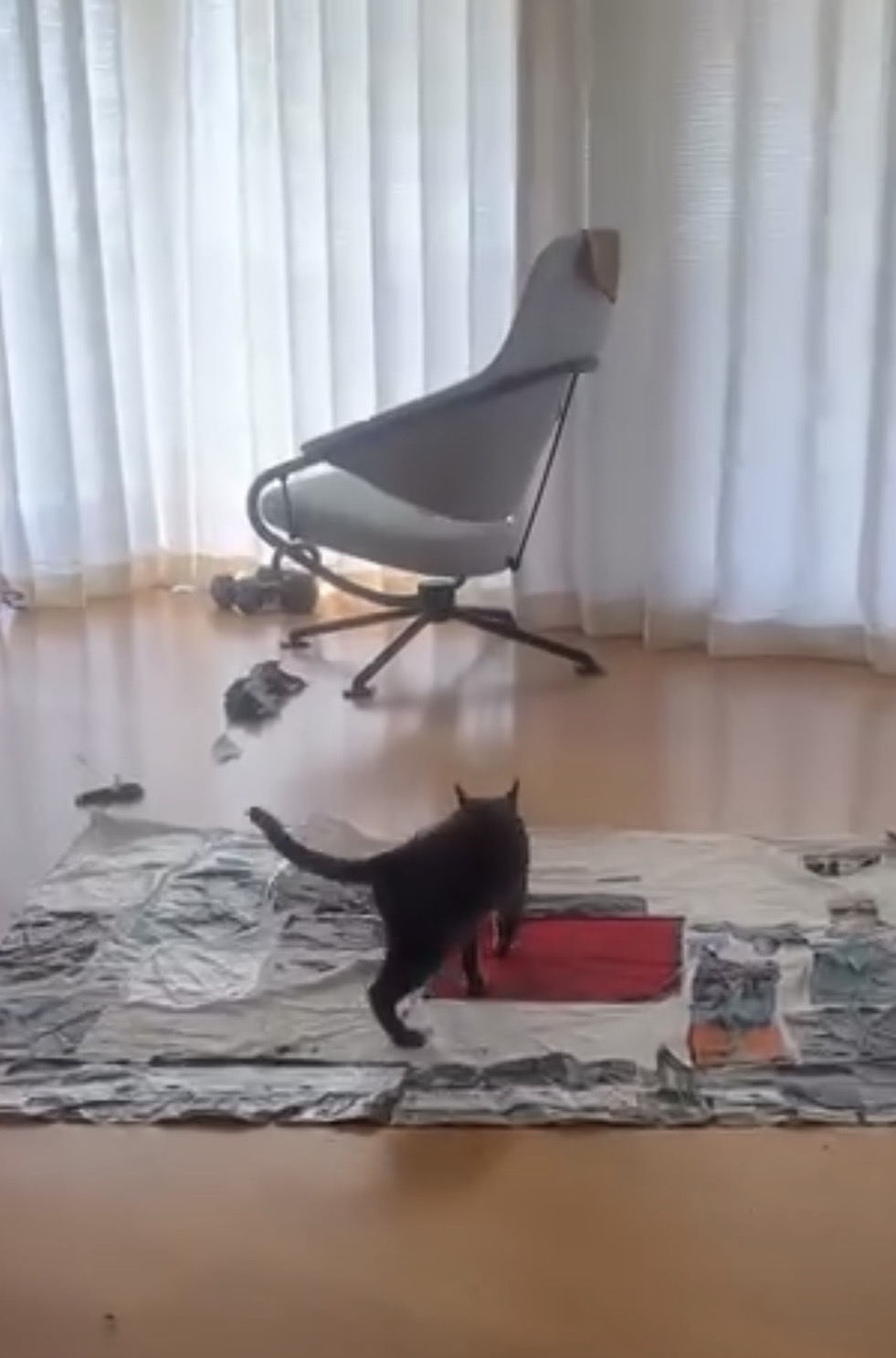
Through these relationships—with others and with the lake—the questions that emerged became both artistic and personal: Who are the artists shaping this diasporic sonic landscape? How might I bear witness to the practices that map the diasporic waters I swim through? How can I participate in an archive that allows these encounters to be heard, embodied, and felt?
I began to understand that this might be part of a larger project. My research led me to questions about Swiss financial involvement in the transatlantic slave trade, as well as questions of assimilation and Black belonging in Switzerland. These remain areas I want to explore further, considering water not only as a place of transformation, but also in relation to histories of commerce, forced movement, and extraction. What would it mean for this sonic map to continue across these diasporic waters?
Alongside this research, my visits to Geneva gave these questions a more everyday dimension. At first, I went mainly to hang out with Tanya and record the view of the water passing outside the train window. Then I returned for openings and performances, found shops selling ripe plantain, went out for Ethiopian food, and finally found the edge control I needed. With each visit, Geneva became more familiar.
Eventually, Tanya invited me to meet Soñ Gweha, an artist, DJ, and researcher whose practice explores Afro-diasporic connections, healing, and collective care. They were introducing their students to Brazzaville Records. Together with their students, we dug through the crates, and Brazzaville became another place I could return to.
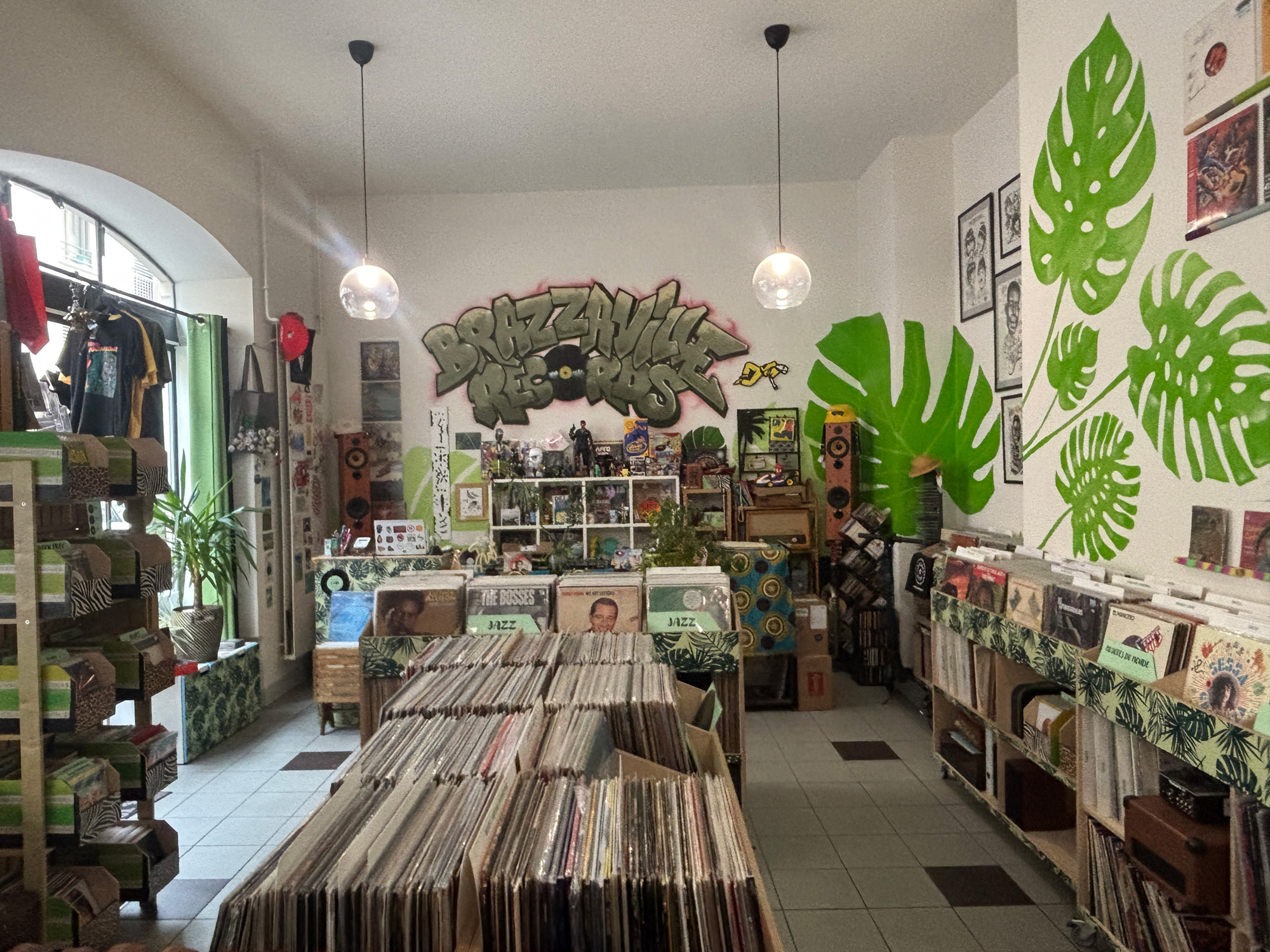
That day, I also met Karl Mayala Bizet, Brazzaville’s owner and a cultural mediator. I felt grateful for his openness, care, and willingness to share his knowledge. I can spend hours digging through the crates of a record store, but this felt like more than that. Each record led to another discovery, bringing sounds and histories together in a way I felt I could only experience there. Finding Brandy and Monica’s “The Boy Is Mine” alongside an original pressing by the Invaders Steel Orchestra from Trinidad—something my grandfather would have listened to—was deeply personal and brought an excitement I hadn’t felt in a long time. It is a blessing to enter a place you have never been before and find sounds that already belong so closely to your life.
These encounters brought me back to the questions I had been carrying beside the lake, but changed how I would now approach them. At La Becque, I had spent many hours alone with my Zoom recorder and hydrophone. That solitude was needed, but I began to feel that the work could not be fulfilled through my listening alone. From this point I knew I had to share the experience with other Black artists and sonic practitioners and hear what became possible between us. I had started writing the score on my own, imagining this prehistoric fish inspired by the cascadura in Trinidad and the flying fish in Barbados. But a fish does not have to travel alone. She can swim with a school.
This desire developed through thoughtful conversations with La Becque’s curator Vanessa Cimorelli and with Tanya, gradually taking shape as a gathering at Bains des Pâquis in Geneva.With a mix of anxiety, which honestly was just my natural state at the time, and excitement, I invited artists and friends I’d met in Geneva to gather for collective listening, conversation, and sound recording. I didn’t know who would come or whether others would feel drawn to participate. Still, I wanted to open up the process and hear what we might make together.